Daiginjo बनाम Junmai Daiginjo
大吟醸 बनाम 純米大吟醸
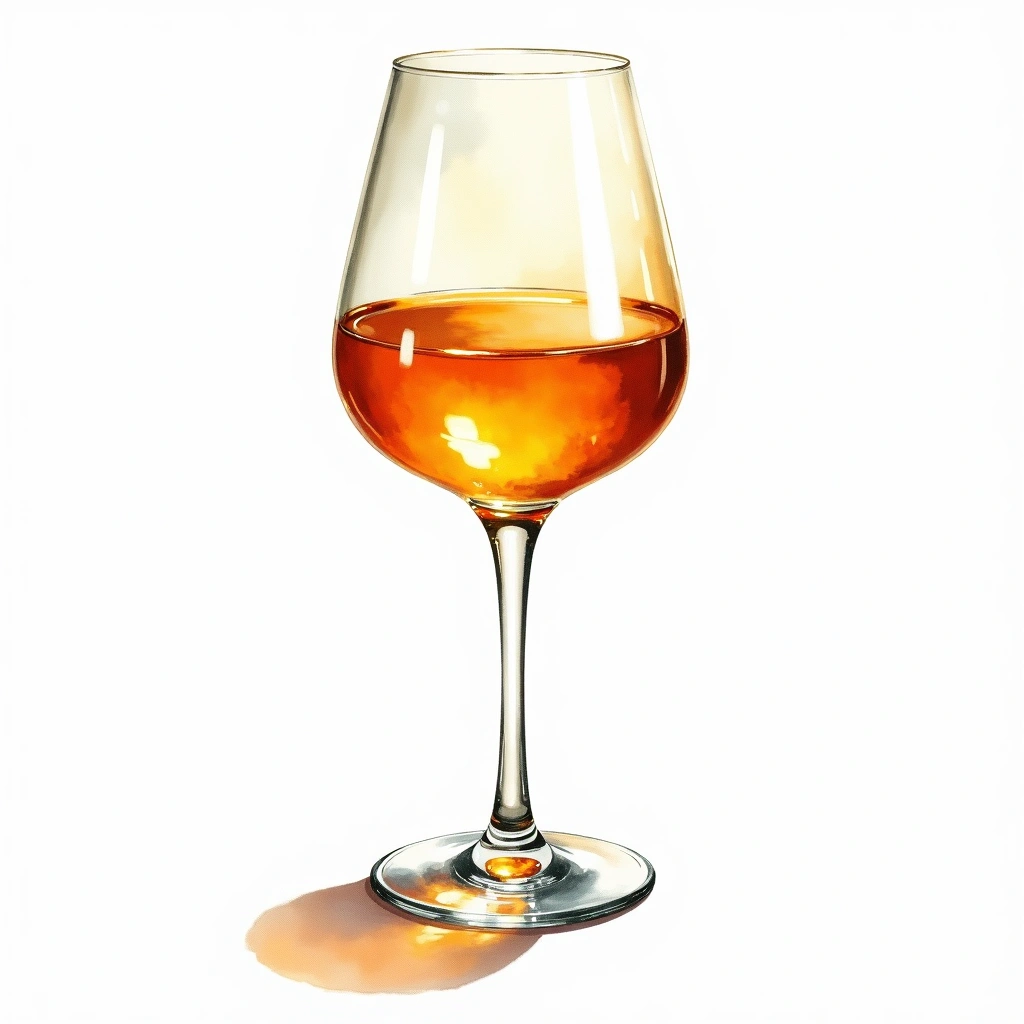
ग्रेड A
Daiginjo
大吟醸
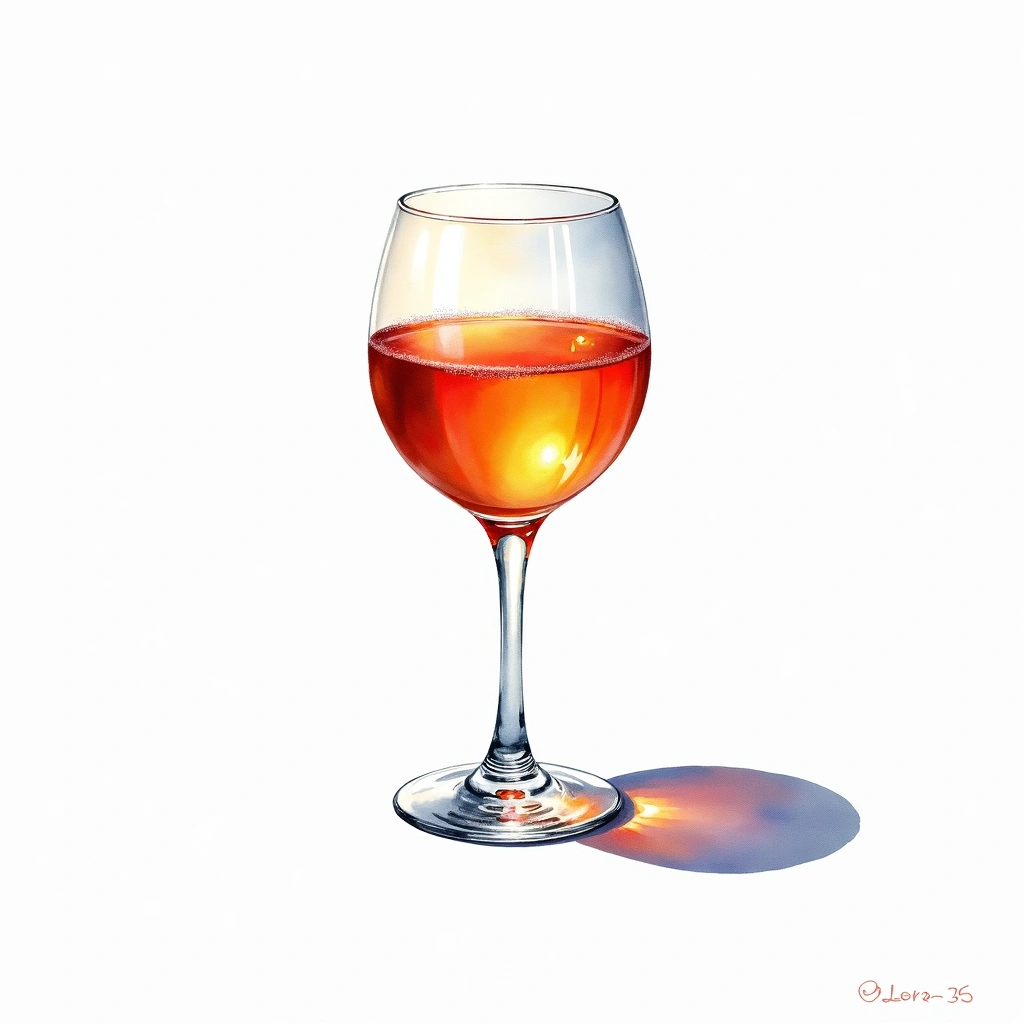
ग्रेड B
Junmai Daiginjo
純米大吟醸
तुलना
Daiginjo (大吟醸) and Junmai Daiginjo (純米大吟醸) are two of Japan's official sake grade classifications. Comparing these grades reveals key differences in rice polishing, brewing method, and resulting flavor character. Daiginjo requires rice polished to 50.00% or less, includes added alcohol, tends toward Intensely aromatic with amplified ginjo-ka. Lighter and more perfumed than Junmai Daiginjo, with pronounced notes of. It is typically served Best served well chilled (5-10C) in a tulip-shaped wine glass. The added alcohol brightens aromatics, making this ideal as an aperitif or with light seafood courses.. Junmai Daiginjo requires rice polished to 50.00% or less, is a pure rice (junmai) sake, tends toward Elegant and complex, with pronounced ginjo-ka (吟醸香) aromas of melon, apple, pear, and white flowers. Clean, silky. It is typically served Chilled (8-12C) in a wine glass or usuhara-style glass to fully capture the delicate aromatics. Avoid warming, as heat dissipates the refined ginjo-ka fragrance.. The primary distinctions between Daiginjo and Junmai Daiginjo lie in polishing ratio (50.00% vs 50.00%), presence of added alcohol. Understanding these differences helps sake enthusiasts navigate Japan's classification system and find the style that best matches their preferences.